













Health & Nutrition
Frequently Asked Questions

Is Pasta fattening?
Is San Remo pasta GM-free?
Are carbohydrates fattening?
Is Pasta recommended for fitness enthusiats?
Is Pasta recommended for people with high blood pressure?
Is Pasta recommended for children?
What other nutrients are in pasta?
What is the conversion of dry to cooked pasta?

Health and Nutrition
Pasta has long been recognised as a nutritious food that not only tastes great, but is extremely low in fat (only 1.5g of fat per 100g). In fact, the small amount of fat in pasta is found only in the wheat. There is no fat added to pasta.

Nutrition figures stated are per 100g
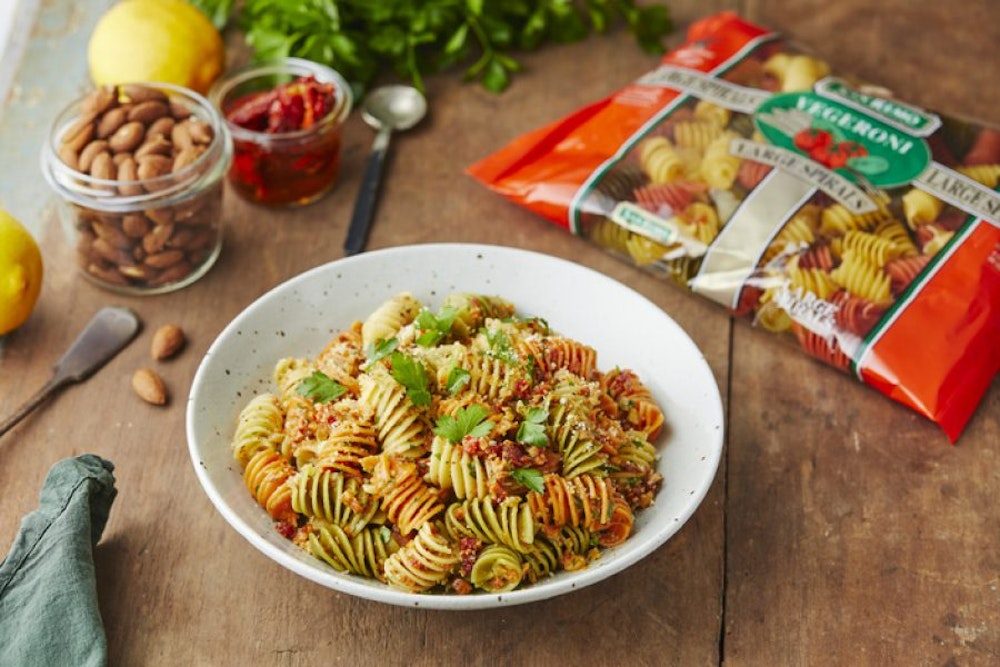
PASTA VARIETY Regular Pasta Egg Pasta Vegeroni Pasta Soyaroni Twists Wholemeal Pasta
Energy-kJ
1518
1512
1518
1518
1487
Calories-Cal
361
360
361
361
354
Protein-g
12.0
13.0
12.0
15.0
13.0
Fat-g
1.5
1.8
1.5
2.8
2.5
Saturated Fat-g
0.5
0.8
0.3
0.8
1.2
Carbohydrates-g
74
72
74
68.2
69
Sugars-g
0.6
0.6
0.3
2.2
1.8
Sodium-mg
30
50
30
510
30

Dieting
There have been many diet trends and 'fads' over the years. We've tracked the history of diets in brief to where we are today...

Pre-1970's to 1980's 1980's to 1990's 1990's to Today

Grapefruit Diet
One of the oldest diets, it claimed grapefruits contained a fat-burning enzyme which helped you lose weight. However, this diet was not nutritionally balanced.

The Pritiken Diet
Devised to be very low in fat and high in fibre, this diet was almost completely vegetarian. Opponents argued it was too low in fat and did not contain sufficient "good" fats.

Low Fat
By decreasing fats, increasing complex carbs and eating protein and fats moderately low fat diets claimed to improve health and decrease the risk of heart disease. But nutritionists cautioned some low fat foods were also very high in sugar or salt.

Liver Cleansing Diet
An 8 week eating plan to detoxify and reduce fat levels in the liver. 1

High Protein
The most popular ones included 'Sugar Busters' and the 'Atkins Diet'. They believed weight loss is achieved by eating high protein foods and limiting refined carbohydrates. Nutritionists argued however this did not promote sufficient vitamin intake and lacked in fibre. 1

The Zone
Intake of 40% carbohydrates, 30% protein and 30% fat. Nutritionists cautioned however against the excessively high reliance on protein. 1

1 Nutrition Australia / The Australian Nutrition Foundation Inc. 2002

Why are Carbohydrates good for me?

  • Carbohdyrate foods, such as grains, fruits and vegetables are a major source of vitamins and minerals in the diet.
  • Carbohydrates 'feed' the brain and provide sustained energy. Top athletes and exercise enthusiasts often turn to pasta to load up on carbohydrates in an effort to increase and store muscle glycogen for prolonged, exhaustive activities.
  • Dietary fibre, which is a carbohydrate, helps keep the bowel functioning correctly.
  • If you're a diabetic, nutritionists recommend "including, at each main meal, some carbohydrate food that releases its energy slowly" 1

Frequently Asked Questions

Is Pasta fattening?
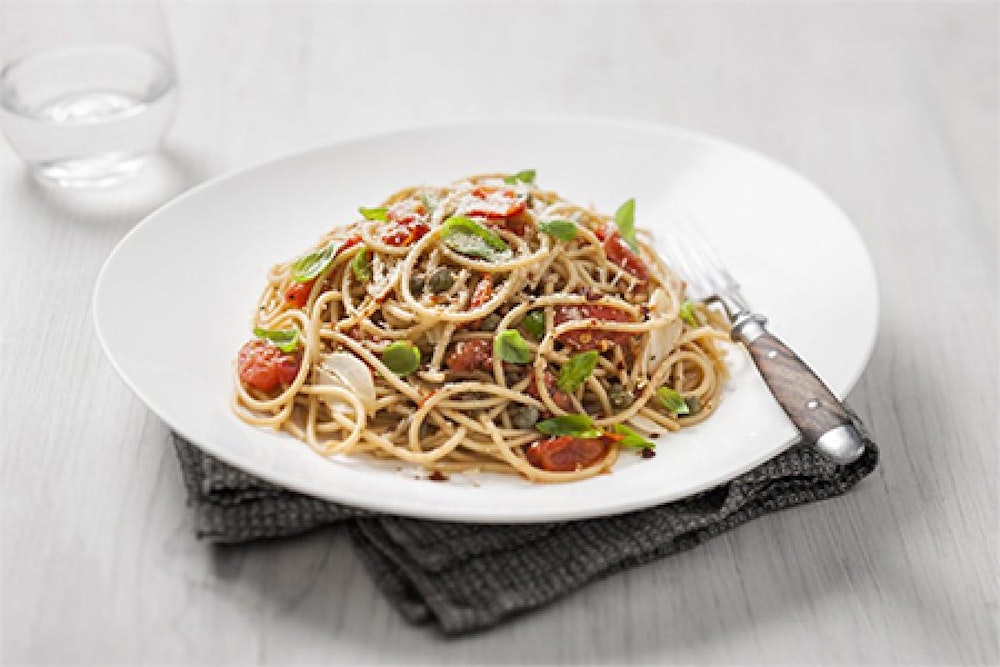
No. One cup of cooked pasta provides about 200 calories (830 kilojoules ), 40 grams of carbohydrates, less than one gram of total fat and no cholesterol. With this in mind, Pasta is one of the healthiest foods around. The question is always what pasta sauce to use without heaping on the calories. See our Recipes section for easy ideas on low fat sauces.

Is San Remo pasta GM-free?
Yes. GM is the term for Genetic Modification. It relates to whether or not ingredients in the product have been derived from materials with a modified genetic structure. San Remo's pasta is completely free of Genetically Modified ingredients. San Remo Durum wheat is grown in Australia's ideal conditions, helped by the sun, rain and good soil. So if natural foods are important to you, San Remo dry pasta should be your first choice.

Are carbohydrates fattening?
The simple answer is no. The current spur of 'high fat, low carb' diets presents a non-balanced approach to eating. These diets recommend a high fat intake to compensate for the lack of taste normally enjoyed in complex carbohydrate foods. Eventually this can lead to a reliance on high fat foods long after the diet has ended. If you're looking to reduce weight, the old mantra - 'everything in moderation' - is the best guide. What matters most is your total calorie consumption. Nutritionists recommend that we regularly eat foods high in complex carbohydrates such as pasta, breads and cereals as the foundation of a healthy diet. About 80 per cent of the calories in pasta are in the form of complex carbohydrates. Just as there are good and bad fats, there are also good and bad carbohydrates. The complex carbohydrates – the good kind – found in pasta means it is more slowly digested and keeps you feeling full for much longer. So, you're less likely to snack or binge later. Pasta is the perfect healthy eating partner.

Is Pasta recommended for fitness enthusiasts?
'Carb loading' is a popular term which refers to the ability of pasta to provide sustained energy. Top athletes and exercise enthusiasts often turn to pasta to load up on carbohydrates in an effort to increase and store muscle glycogen for prolonged, exhaustive activities like long-distance running and bike riding. By eating pasta you will retain energy for longer and get the most out of your exercise regime. You need to allow a sufficient time between eating and exercising, so the body can digest fully. Around 60 minutes is a good amount of time to allow.

Is Pasta recommended for people with high blood pressure?
Yes. Pasta is very low in sodium and is an ideal food for people with high blood pressure as it tastes great, is low in fat, and is satisfying. A 125g serving of San Remo pasta contains no added salt and just 38mg of naturally occurring sodium. As a comparison, a teaspoon of salt contains 2000mg of sodium.

Is pasta recommended for children?
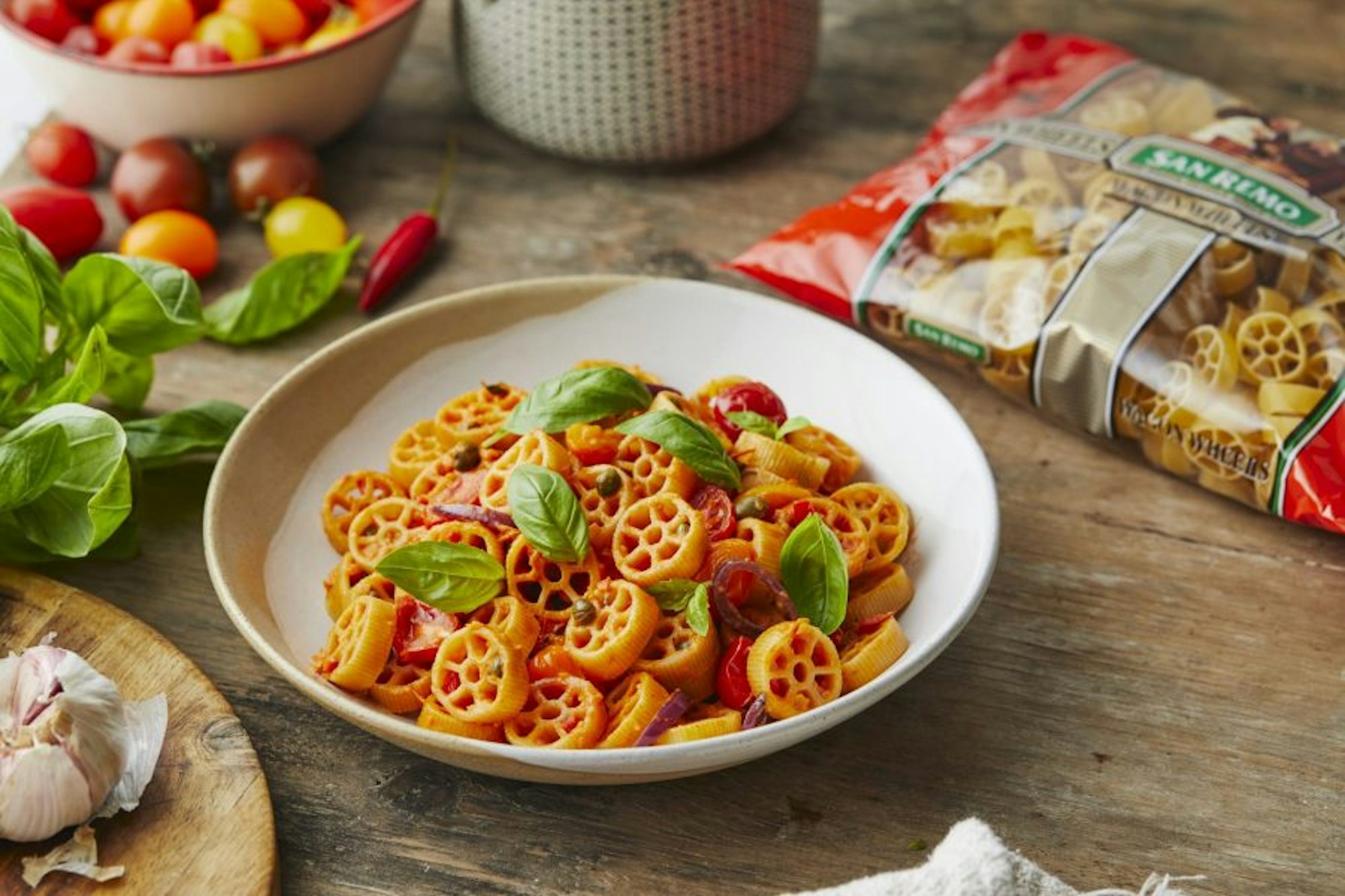
Yes. Pasta is a nutritious and filling meal to provide to children. Try melting a little butter into the hot pasta, or making a simple tomato sauce and kids will love you for it. Use Risone, Soup Pasta and other fun shapes like Wagon Wheels to make pasta fun for kids.

What other nutrients are in pasta?
Pasta contains valuable levels of iron, riboflavin, thiamine and niacin. Six of the eight essential amino acids can be found in pasta, making it a valuable protein source for vegetarians. When eaten with other protein-rich foods like meat or dairy products, it provides all essential amino acids in the one meal.
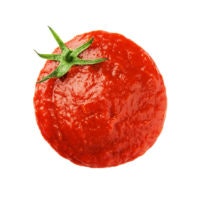
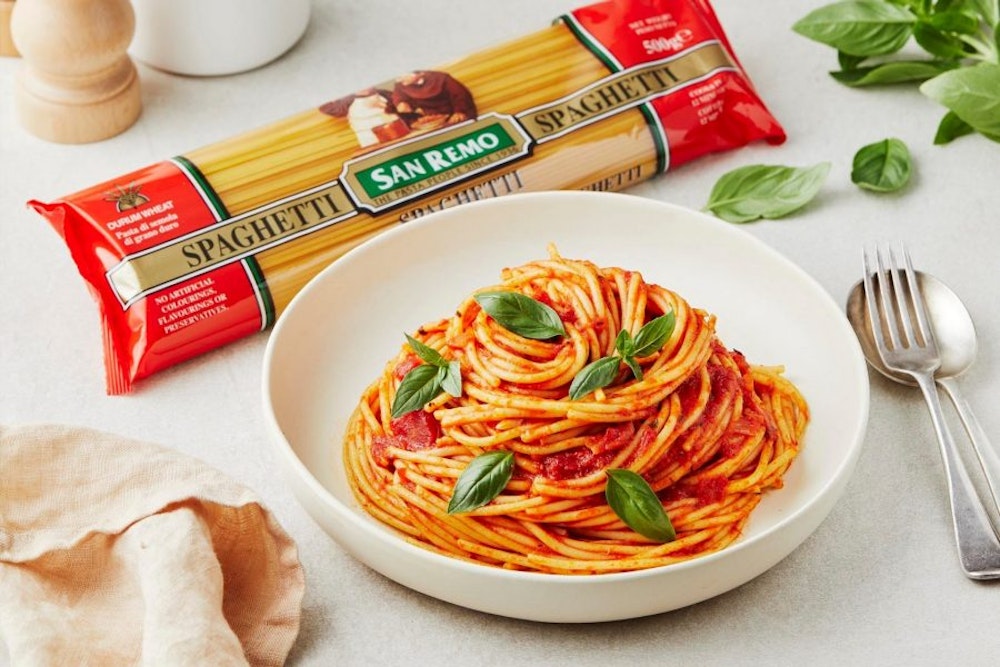
Many people eat their pasta with a tomato-based sauce which provides another health benefit in the form of lycopene, a naturally occurring antioxidant found in tomatoes that can help ward off certain cancers, including cervical and prostate cancer. Eating pasta is especially beneficial during pregnancy as it's an excellent source of a key nutrient in the form of folic acid that helps the pregnancy.

What is the conversion of dry to cooked pasta?
This will depend on the cooking method, but typically, normal cooking of 100g of dry pasta yields 240g of cooked pasta (therefore, the pasta absorbs 140% of its weight in water). This figure can be affected by the thickness of the pasta, the cooking texture that is considered 'al dente' (firm to the bite) and the amount of salt used in the water when cooking.